The Water That Poisons: A Photo Essay from Bhagalpur
Along the Ganges in Pirpainti block, years of arsenic in the groundwater are written on the skin and in the homes of the people who drink it.
By Abhishek A24 August 2026
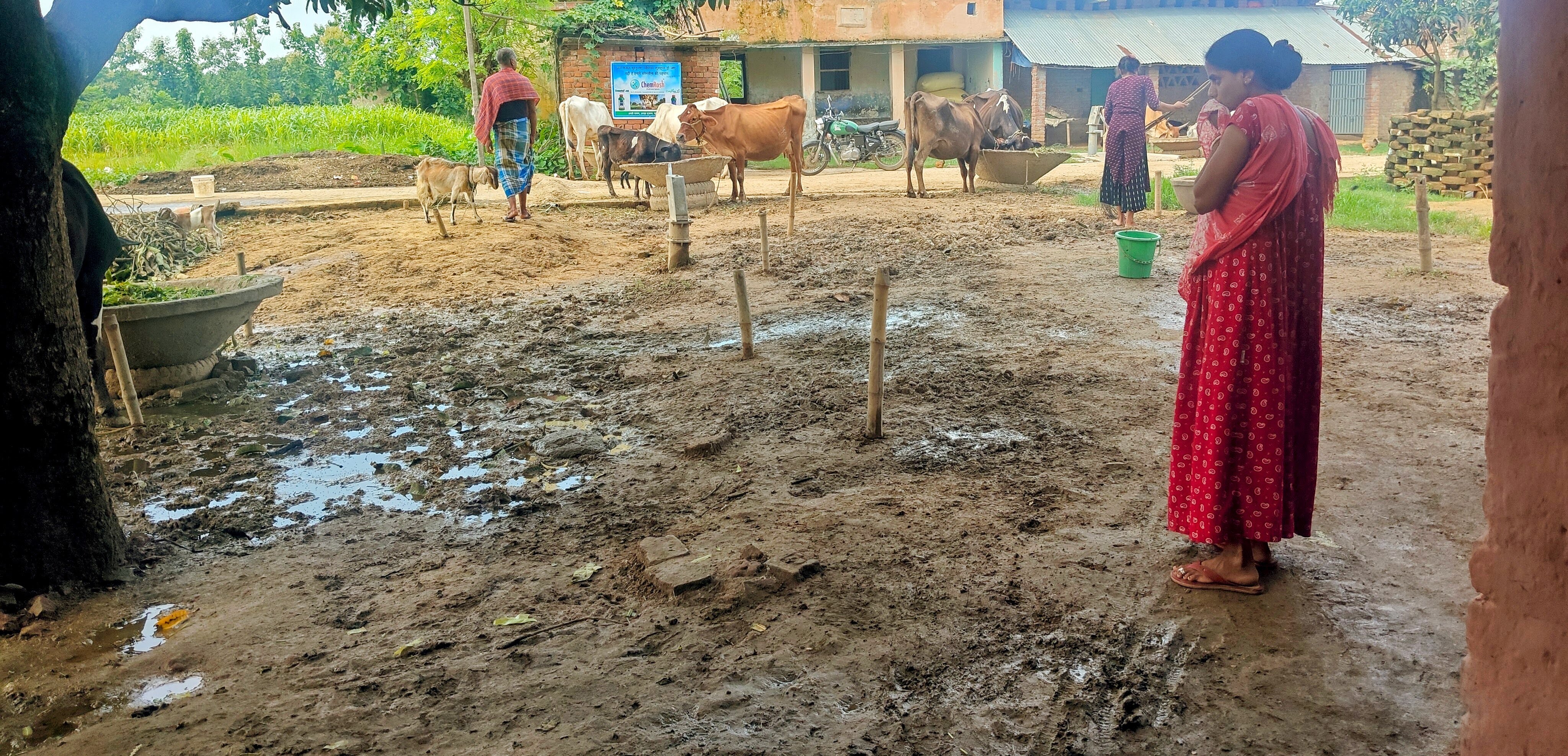
Entrance to Sila Devi's house, Sidhari.Photograph: Abhishek Angad · Source: Original
In the villages of Pirpainti block, along the Ganges in Bhagalpur, the water that sustains life is also slowly taking it. Years of drinking groundwater laced with arsenic have left their mark on skin, on livers, on whole families. This is a photo essay from Sidhari and its neighbouring hamlets — the people, the homes, and the hands that carry the evidence.
Photograph: Abhishek Angad / Reporters Desk
Sila Devi's house in Sidhari. Like most homes here, its water came from a handpump sunk into a shallow aquifer — the same aquifer the state's own testing has repeatedly found to carry arsenic above the permissible limit.
Sila Devi's home in Sidhari, Pirpainti block.
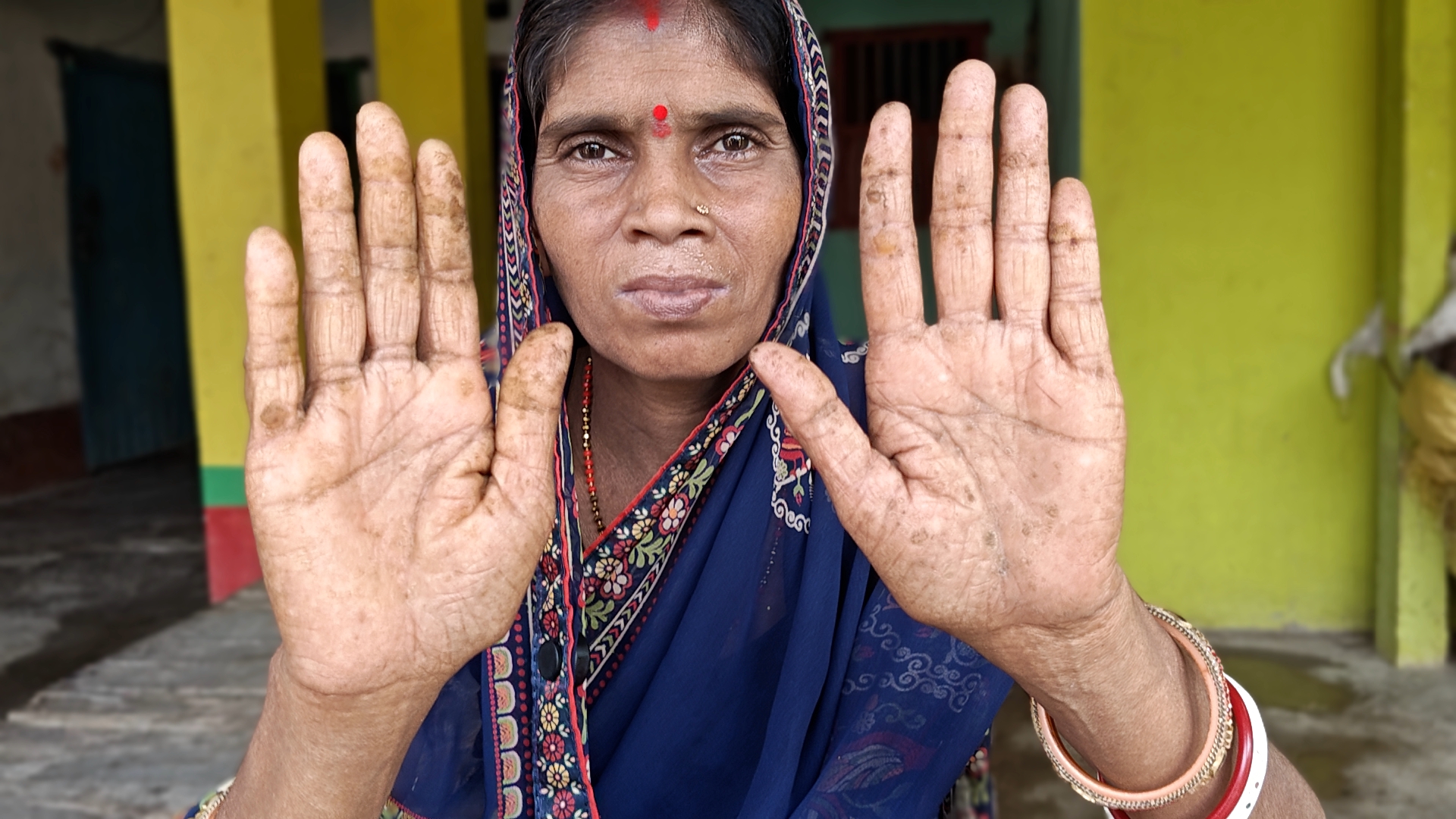
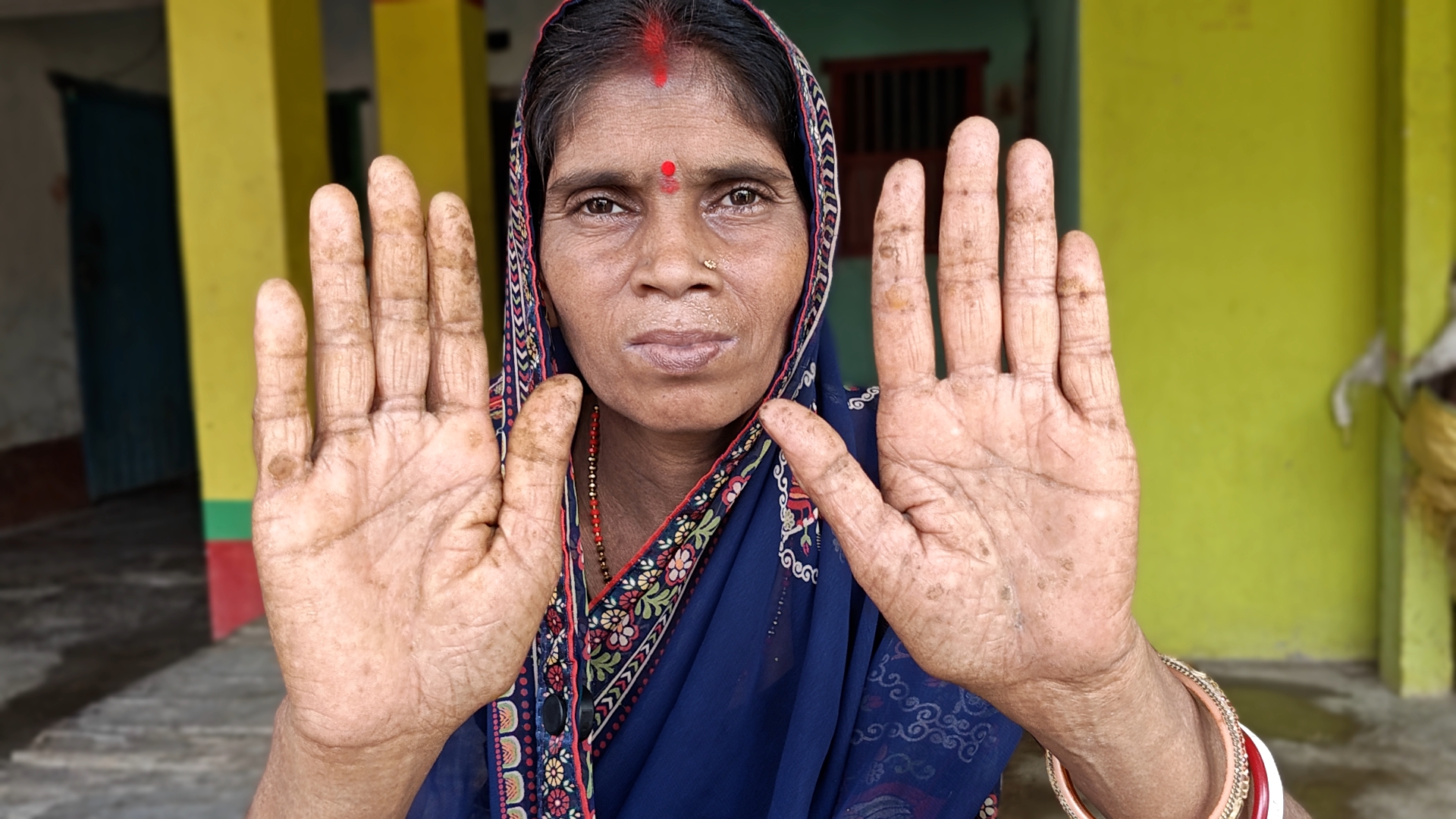
Pinki Devi's palm — keratosis, the thickening and scaling of skin that is an early sign of prolonged arsenic exposure.
The same condition on the sole of the foot. Keratosis and melanosis are the body's first record of the water.
Doctors call the sequence melanosis, then keratosis, then — in the worst cases, after years — cancer. In household after household, the same hands tell the same story. What the residents describe as a skin problem is, to a physician, a warning written across the body.
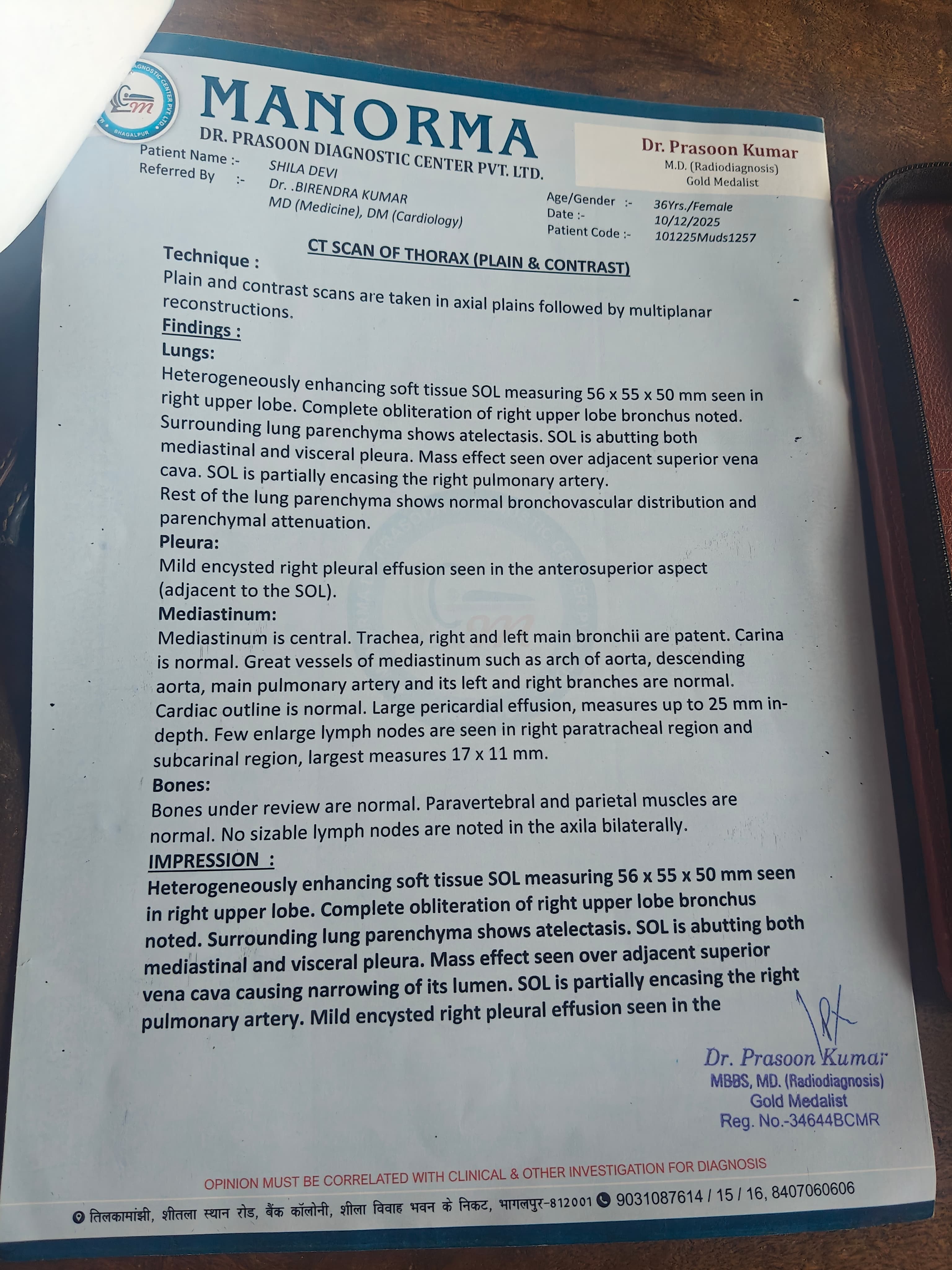
For some, the warning came too late. Where arsenic exposure has progressed to metastatic disease, the treatment is distant, expensive, and often out of reach — a cancer hospital hours away, and a diagnosis that arrives after the damage is done.
Sila Devi, whose illness had advanced by the time it was named.
The people in these frames are not statistics. They are Sila Devi, Pinki Devi, Umesh — names attached to a crisis that the maps and the reports describe in the abstract. The water is still running. This essay is a record of what it leaves behind.
 Photograph: Abhishek Angad / Reporters Desk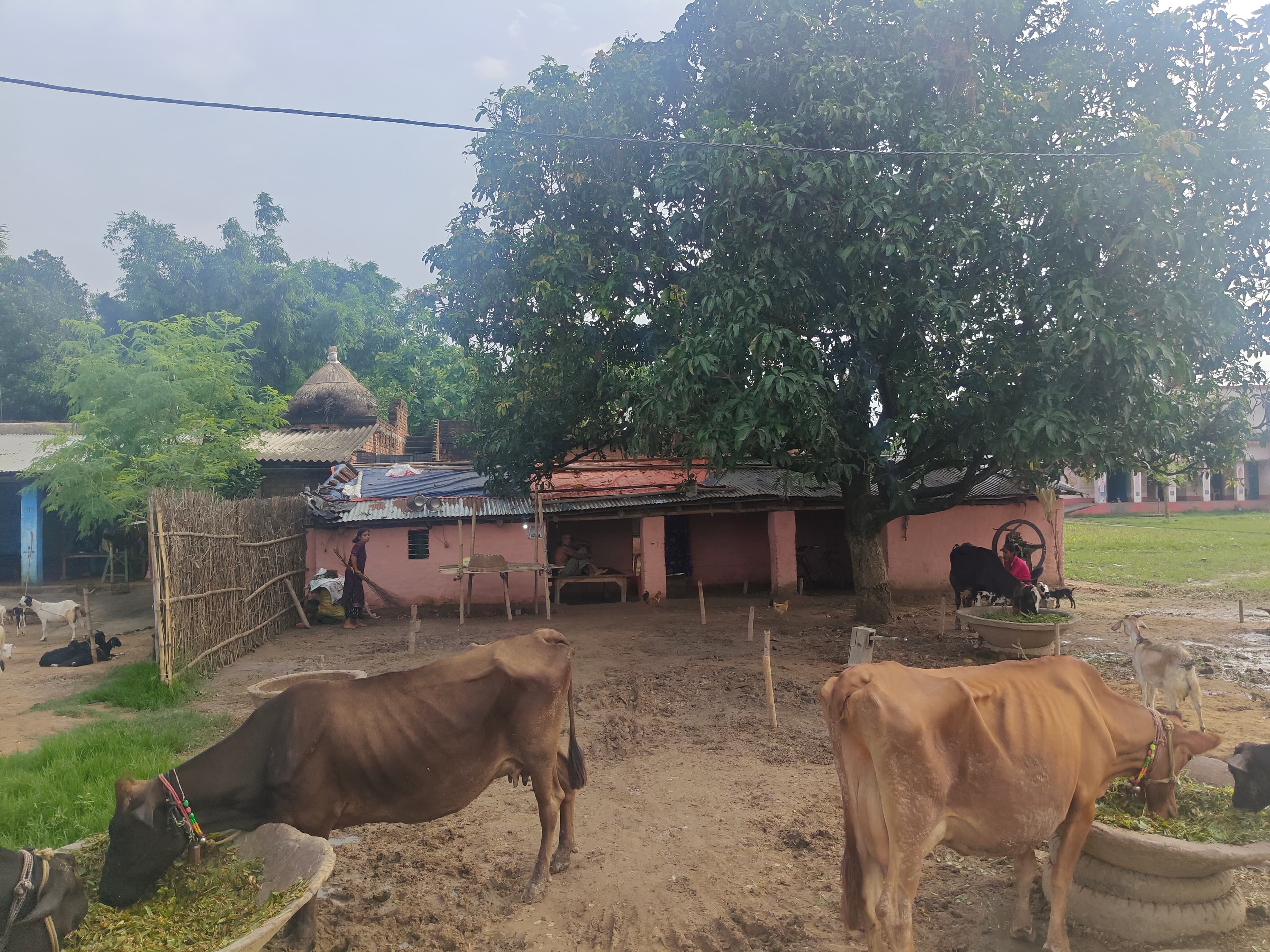
Comments