Anatomy of a Cover-Up: The Inspection Reports That Vanished
How three safety warnings about a district barrage disappeared from the public record. A fictional demo story showcasing document-led formats.
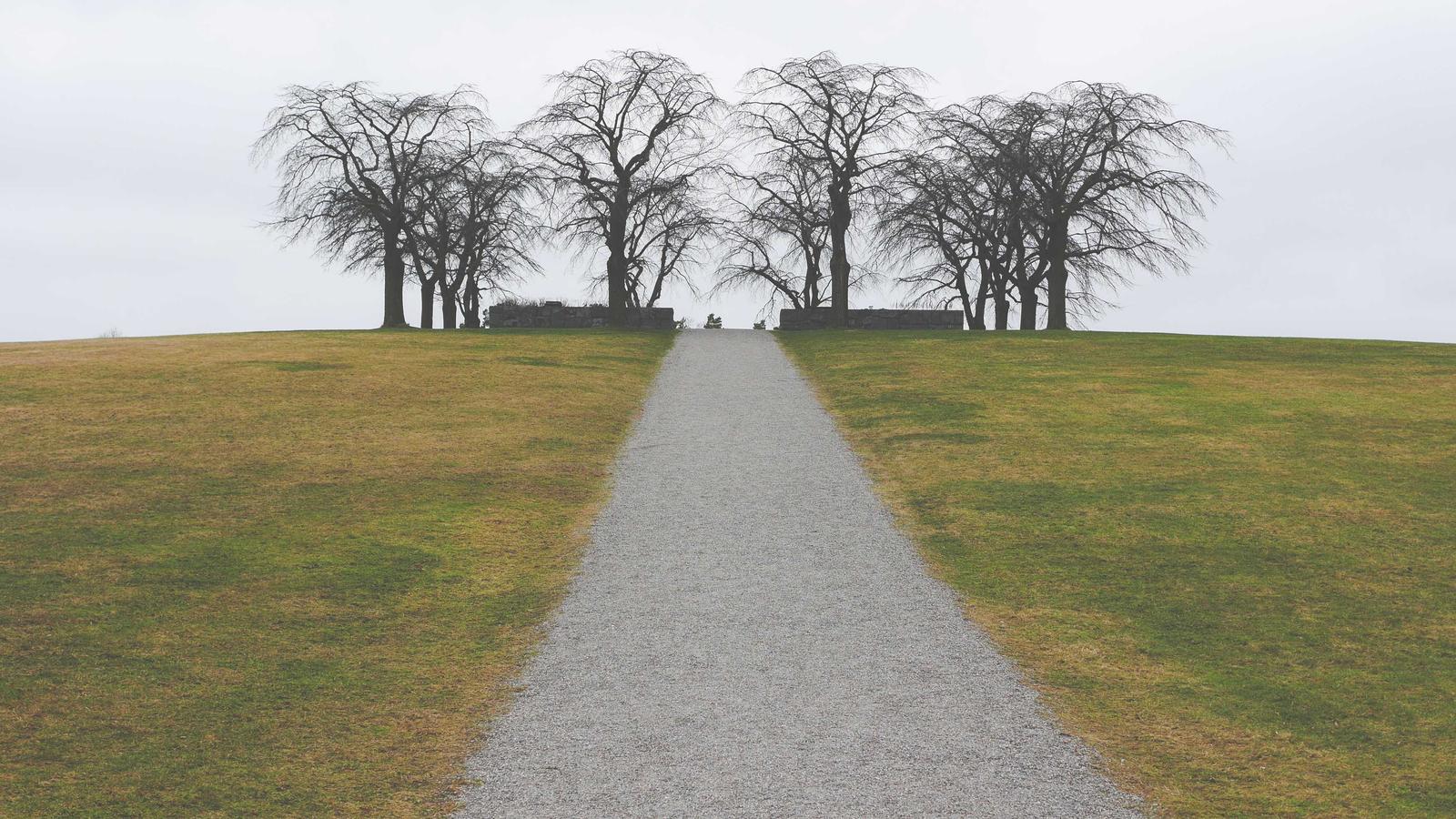
The Kelwara barrage embankment, photographed after the first monsoon. (Demo imagery.)
For eleven months, the Sarvodaya District Irrigation Board maintained that the Kelwara barrage embankment had passed every scheduled safety inspection. Internal records obtained by this desk tell a different story: three separate engineering assessments, filed between March and September, flagged seepage at the eastern spillway and recommended immediate remediation. None of the three reports appears in the board's public disclosure log.
The paper trail is unusually complete. A junior site engineer photographed the original inspection registers before they were replaced; a procurement clerk preserved email chains showing the remediation tender being drafted, then quietly withdrawn. Together the documents map how a routine maintenance failure became an institutional secret — and how the officials responsible built a second, cleaner record for public consumption.
This story is a demonstration piece. Every institution, official, and document described here is fictional, created to showcase how ReportersDesk presents document-driven accountability reporting: annotated source documents, event timelines, and the numbers that anchor the narrative.
Inspection register, obtained by ReportersDeskReconstructing the sequence took four months of records requests and interviews with nine current and former board employees. The timeline below sets out what the board knew, when it knew it, and what it told the public at each stage — the gap between the second and third columns is the story.
- March 12First inspection flags seepage
Assessment IR-114 records "active seepage, eastern spillway, category B" and recommends remediation within 90 days.
- June 3Remediation tender drafted — then withdrawn
Procurement emails show tender documents circulated for approval, then recalled the same week without explanation.
- September 21Third assessment upgrades risk to category A
The strongest warning yet. It, too, never appears in the public disclosure log.
- November 8Board certifies embankment "fully compliant"
The public annual safety certificate is signed, citing "no outstanding observations."
We filed the reports. What happened to them after they left our desk was above our pay grade — but we kept copies.
Former site engineer, Sarvodaya District Irrigation Board (fictional, for demonstration)
The cover-up, by the numbers
The board did not respond to a detailed list of questions sent two weeks before publication. This demo story shows how the newspaper-grid template handles long-form accountability work: dense text columns, documents presented as evidence, and data given typographic weight.